Discover Your Path to Wellness
Helpful Books
and other resources
Embark on a journey to self-awareness and empowerment with our handpicked selection of insightful reads.

Empower Your Mind
Welcome to Our Helpful Books Collection
At Turn The Corner Counseling, we believe in the power of knowledge to transform lives. Our Helpful Books section is designed to support your mental health journey by offering a curated list of literature that addresses various challenges you may be facing. Whether you’re seeking personal growth, relationship advice, or strategies to manage specific conditions, our collection provides valuable insights and practical guidance to help you thrive.
General Help
Our general healp section features books that offer profound insiughts or simple tools to assist with personal development and resilience. These resources are applicable to improving your overall well-being.


The Big Life Journal
A journal that encurages self-reflection and goal setting, perfect chouice for fostering a positive, (growth versus fixed) mindest. Filled with fun fill-ins and provoking exercises. There are versions of this journal for all ages: adults, teens, and kids.

Polyvagal Card Deck
I have frequently recommended the Polyvagal Card Deck by Deb Dana to many people I have worked with. This set of 58 cards helps build skills on how to regulate the nervous system. Knowing what to do when you experience fight, flight, or freeze is a game changer. There is a section that can also allow you to hold on to the enjoyable/pleasant moments in your life, making them accessible when your mood is low or when you forget the daily beauty that surrounds us.
Deb Dana’s practical tools are derived from Polyvagal Theory, developed by Dr. Stephen Porges, in 1994. In simple terms, Polyvagal Theory is a way or organizing the different ways in which our body and brain work together to respond to stressors that are a part of everyday life. By understanding the fluctuation of response states, we can better manage our own health and wellness and better understand the behavior of others.
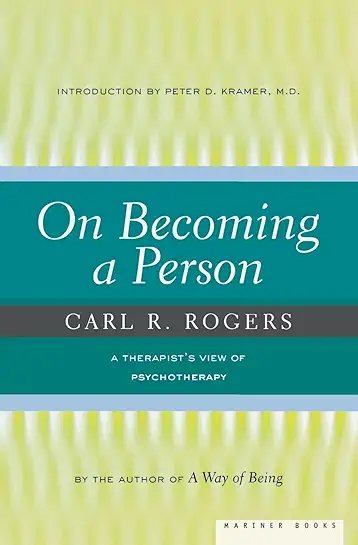
On Becoming A Person
Carl Rogers: This book was one of the first books that drew me to the field of psychology; motivating me to help others. The book is celebrated for its ground-breaking perspective on human development, emphasizing that understanding oneself and others can lead to richer, more fulfilling lives. Rogers emphasizes that growth is a continuous process with meaningful connections made through empathy, authenticity, and acceptance of self and others
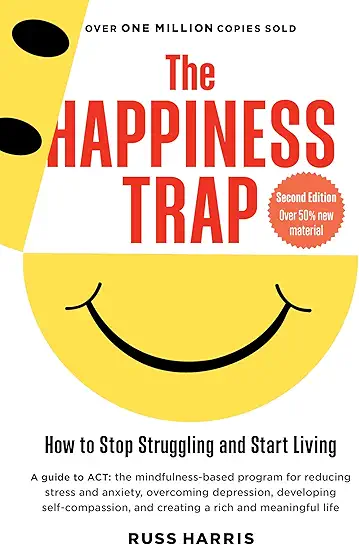
The Happiness Trap
Russ Harris, the author, has been a pioneer of Acceptance and Commitment therapy. This book is a seminal work on learning how to break free from negative thinking patterns and embrace mindfulness, acceptance, and value-based living.
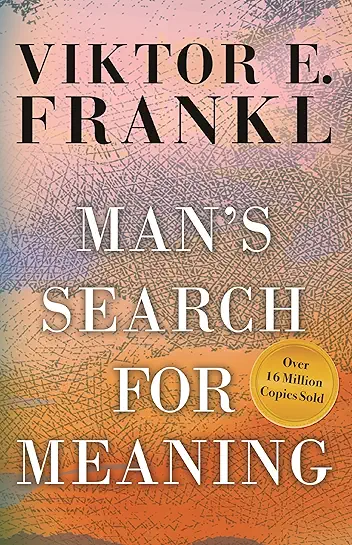
Man's Search for Meaning
Discover the power of finding purpose in thr most challenging circumstances thought the insights and work of Viktor E. Frankyl‘s logotherapy. Taking what he learned from surviving the darkness and pain of living in a concentration camp during the Holocaust provides powerful guidance on one’s ultimate purpose. It laid the foundation for ACT, a more structured way of committing to value-based living.
Couples & Families
Every family carries a living story—some families grow through birth, choice, or through partnership. Each holds its own mix of joy, tenderness, and the inevitable challenges that come with loving and growing alongside one another.
Today’s families also face significant pressures: trying to a balance between being warm and responsive with the need for clear, consistent expectations. There is a cultural push to provide a “perfect” childhood. Also, there is lingering bias toward same‑sex couples, financial strain that can crowd out connection, and the complexities of raising children in an online world.
These books are selected to give a variety of guidance and insight to help support you in the challenges that go along with modern day family life. Just a warm reminder that you do not have to be the perfect parent or spouse to create strong family bonds and treasured memories.

For Couples

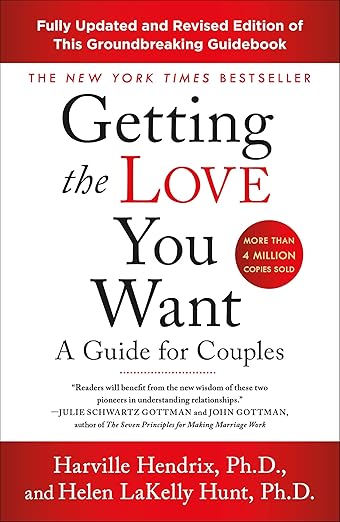
Getting The Love That You Want
Harville Hendrix, PhD and Helen Lakelly Hunt, PhD – This workbook is based on Imago therapy, and helps the process of self-discovery, identifying patterns developed throughout the developmental years. Through a step-by-step process exercises and guidance are provided to help couples understand and improve their relationship dynamics, fostering deeper intimacy and communication. You will develop a much deeper understanding of why you chose the person that you did and ways to give and receive the love that you deserve.
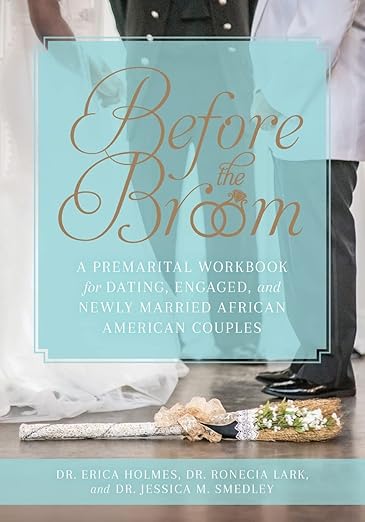
Before the Broom: Premarital Workbook
Holmes, Lark, and Smedley have developed a workbook that offers 8 lessons in the form of tools and exercises to set-up couples for success right from the beginning. A major strength of this workbook is that it dives into the Black American experience, blending history, reflection, and guidance to build a foundation for marriage.
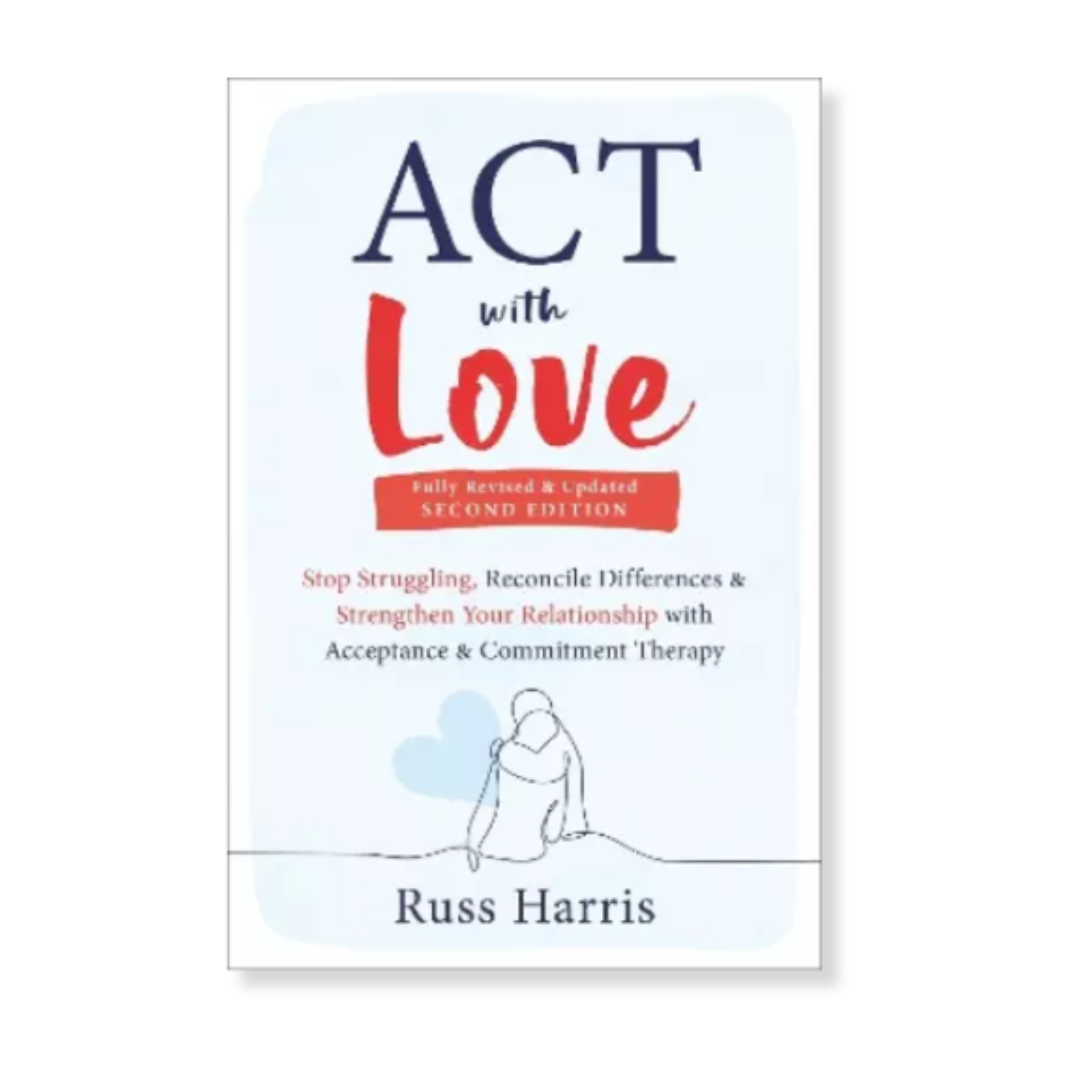
ACT with Love
Russ Harris applies his theory Acceptance & Commitment Therapy to couples, challenging the myth of a “perfect partner.” Harris shows how psychological flexibility reduces reactivity and defensiveness in relationships and provides skills to achieve emotional closeness.
This selection of books are chosen to enhance and nurture your relationship. These resources offer practical advice and insights to help couples build stronger connections. I frequently utilize the guidance and tools in these books in my direct work with couples:
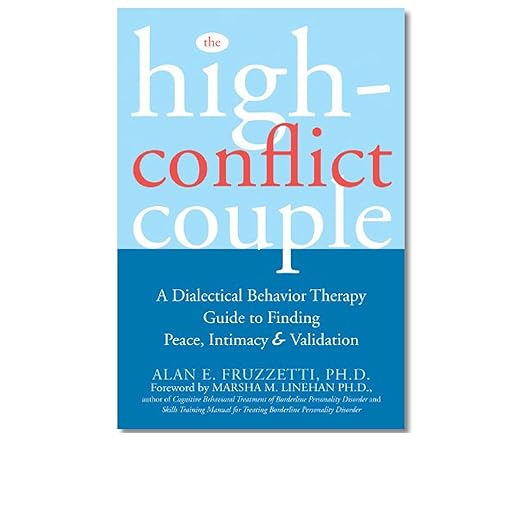
High-Conflict Couple
A Dialectical Behavior Therapy Guide to Finding Peace, Intimacy & Validation by Fruzzetti, PhD – This book is packed with methods for disrupting destructive communication styles, enabling effective communication and connection again. It draws from DBT concepts, helping couples to keep cool when tempers are hot, rebuild a connection with your partner, and successfully trust them with your thoughts and feelings once again.
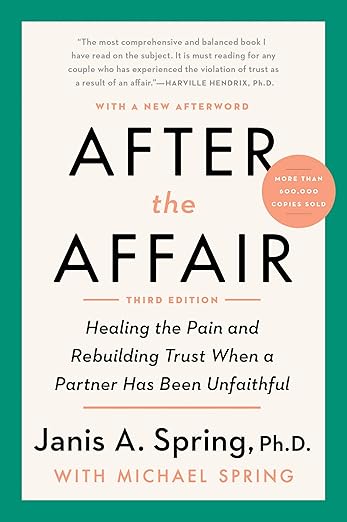
After The Affair
Healing the Pain and Rebuilding Trust When a Partner Has Been Unfaithful by Janis A. Spring – A compassionate guide offering strategies for healing and rebuilding trust after infidelity, helping couples navigate the complex emotions and challenges that arise.
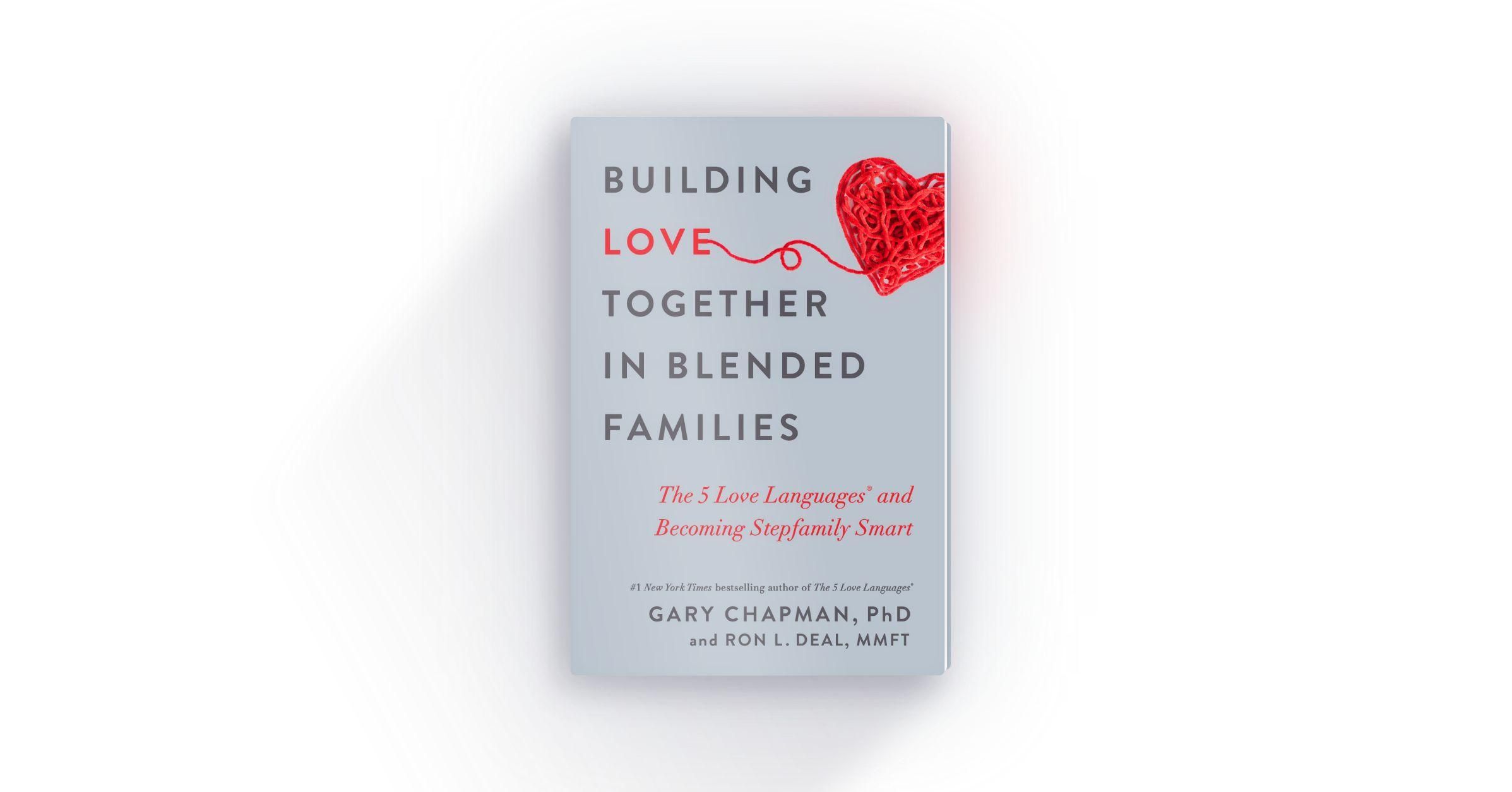
Building Love Together in Blended Families
Chapman and Deal “blended” their ideas and theories to craft a volume that helps couples build a healthy environment where a blended family can truly thrive. They offer insight and practical guidance on how to be patient while co-creating a family culture of respect and emotional safety.

Parenting
Much of my early experience as a psychologist focused on helping children and teens in a variety of settings. As I grew as a parent on a personal level, it deepend my empathy and understanding of the challenges to putting parenting concepts into practice. Along with providing guidance and understanding to help empower parents, these are books I frequently use to pick myself up, brush myself off, and forge ahead into the joys and struggles of raising kids.
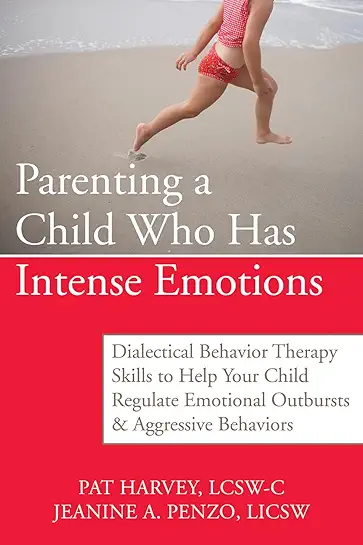
Parenting A Child Who Has Intense Emotions
Harvey, LCSW-C and Penzo, LICSW published a work that is written with a deep understanding of children who feel things deeply and parents who crave a peaceful family life, these authors use many skills derived from dialectical behavior therapy (DBT). The book provides a great balance of understanding and being able to empathize with your child despite the challenges, helping your child work through distress and anger, changing the overall household environment, and establishing clear expectations and structure.
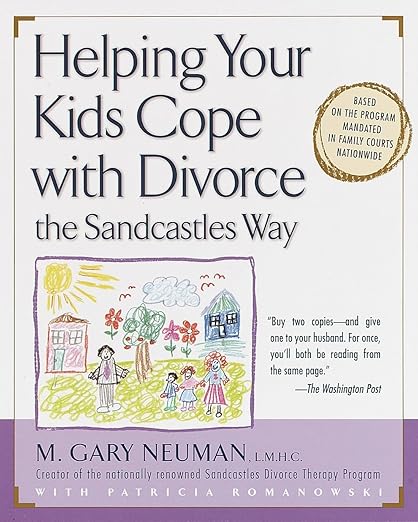
Helping Your Kids Cope With Divorce The Sandcastles Way
Gary Neuman, LMHC – A comprehensive guide on helping children to adjust to parental divorce; from co-parenting, custody/visitation, and helping kids cope with a new step-family. A major strength of this book is that it divides the guidance by the child’s age level.
The Past Does Not Define Your Future
Post Traumatic Stress Disorder
PTSD is not a sign of weakness—it’s a sign of a brain that learned to survive the unbearable. Symptoms are the nervous system’s attempt to protect, warn, and prepare so that it can prevent future harm. Trauma can disrupt our sense of time, making memories feel current, not historical. The brain is trying to keep the memory vivid so it can “learn” from it in order to protect you. With support and time, the brain can reorganize itself, soften its alarms, and create new pathways that allow for relief, reconnection, and a renewed sense of possibility. The books provided in this section can help you better understand the brain’s adaptive capacity and provide skills to move forward.
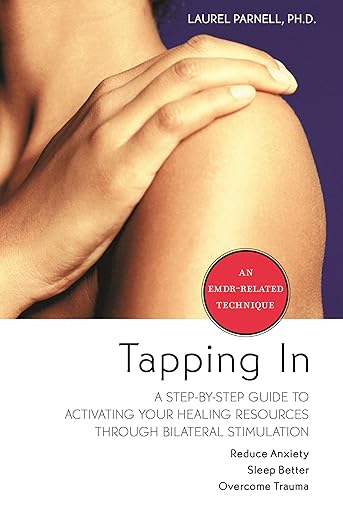
Tapping In
Laurel Parnell, PhD dedicated herself to the practice and development of EMDR (Eye Movement Desensitization and Reprocessing), since 1991. She established an attachment-focused approach which specifically targets early relational trauma and insecure attachment styles. She created this book in order to empower clients withstep-by-step instruction in bilateral stimulation (a core component of EMDR) to overcome trauma, boost confidence, calm the body on a deep, physiological level, and to respond better to stress.
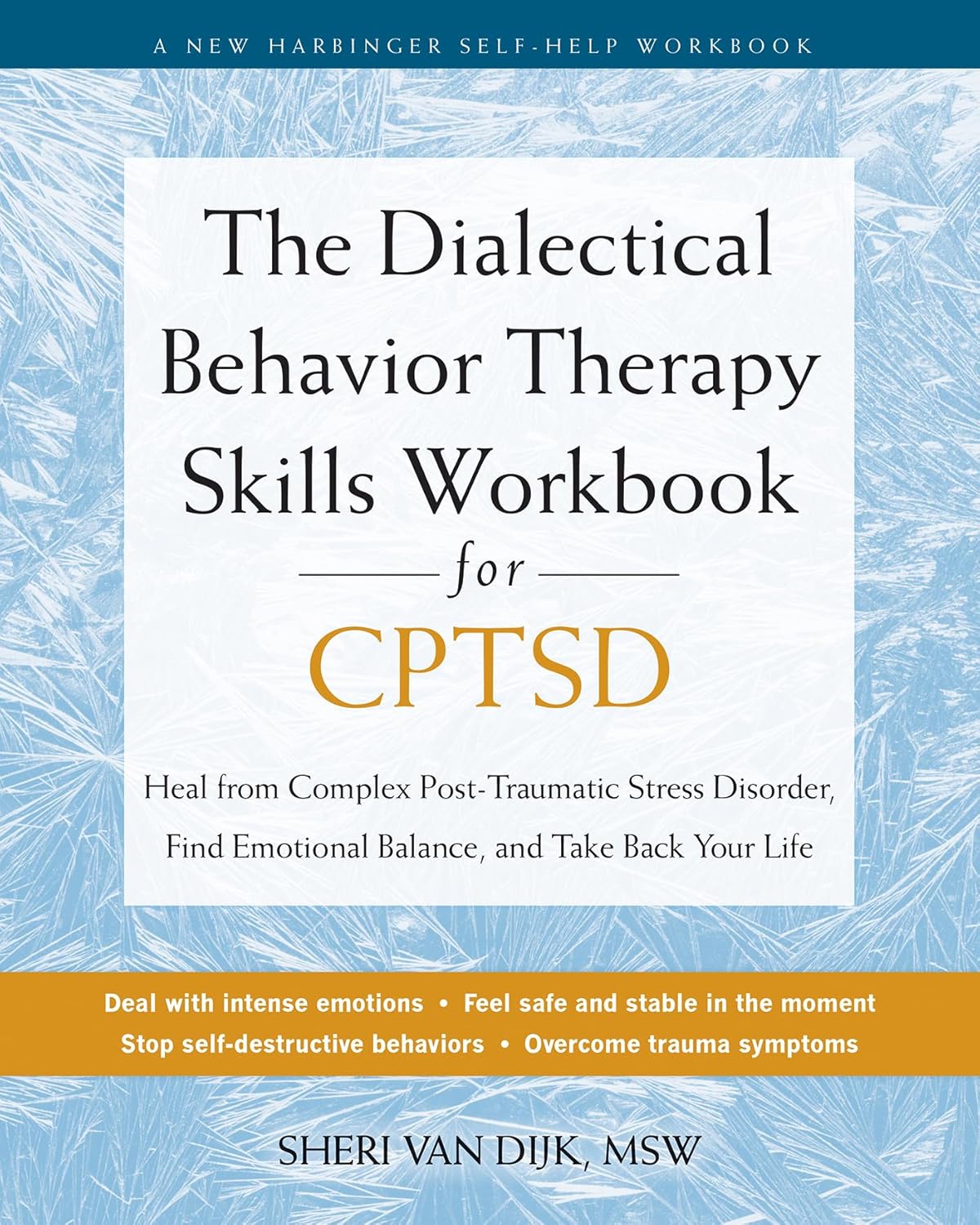
DBT Skills WOrkbook for CPTSD
This workbook by Sheri Van Dijk, MSW utilizes both dialectical behavioral therapy and polyvagal theory to assist those who have experienced chronic, multiple, or ongoing instances of trauma.
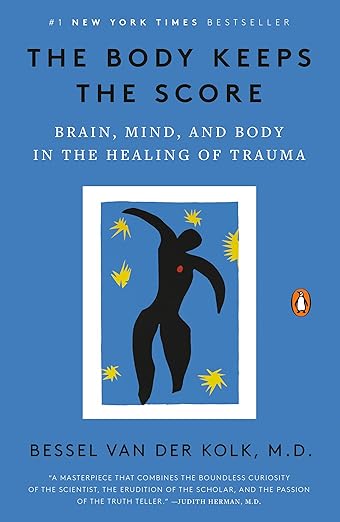
The Body Keeps The Score
Bessel van der Kolk M.D explains the brain’s neuroplasticity which is why it adapts a person’s system in an effort to protect the person from future harm. The body keeps a record of traumatic experiences, leading to physical symptoms and emotional flashbacks long after the event. However, neuroplasticiy also can be capitalized upon to heal from those same distressing events. According to Van der Kolk’s research, trauma often lives in non-verbal parts of the brain. Thus, he endorses more body-based therapies to help the body process the experience.
The Psychodynamic Therapy Workbook for Trauma Recovery
Gin Eniola Norton provides a guide for implementing psychodynamic concepts in order to change unconscious patterns and responses as well as healing relational wounds. This workbook includes guidance for memory reprocessing, somatic tracking, flashback logs, and relational mapping in a user-friendly format.
Obsessive Compulsive Disorder
Understanding OCD
Delve into the complexities of Obsessive Compulsive Disorder with these insightful books. They provide valuable perspectives and coping strategies for managing OCD symptoms.
Pure "O" OCD: Letting Go of Obsessive Thoughts with Acceptance & Commitment Therapy
Chad LeJeune, PhD offers a practical guide that using Acceptance and Commitment Therapy techniques to help individuals manage intrusive thoughts and reduce anxiety. Providing detailed examples of people who are “pure obsessionals” illuminates the effectiveness of skills to help those who are haunted by unrelenting thoughts/images/mental rituals that disrupt day-to-day living.
Brain Lock
Brain Lock, Free Yourself from Obsessive-Compulsive Behavior by Jeffrey M. Schwartz – This book introduces a four-step method to help individuals break free from the grip of OCD, promoting a healthier mindset and behavior.

Problematic Eating
Despite being published in 2010, this workbook by art therapists Jaconson-Levy & Foy-Tornay is quite special. As specialists in eating disorders, they developed multiple exercises, developing a process that builds self-awareness & acceptance, and ultimately changing one’s relationship with food.

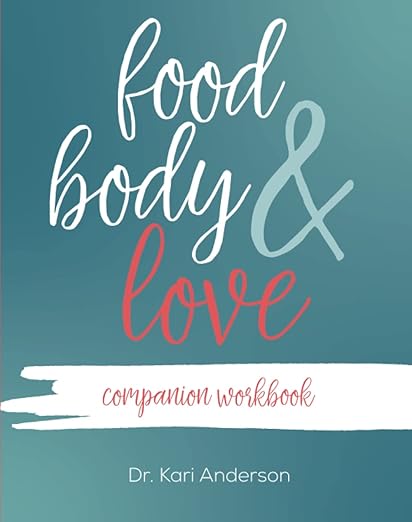
Dr. Kari Anderson
Through personal experience and clinical expertise, Dr. Anderson has written a book as well as this companion workbook that is similar to my own style, blending evidence-based approaches such as DBT, ACT, and trauma based therapies to faciliate long-lasting change. The workbook provides a guide that blends science and compassion to help others find safety in their body and break free from obsessive cravings, impulsivity, and loss of control around food.
Explore More Resources
At Turn The Corner Counseling, we believe in empowering individuals and couples with the right tools for personal growth and healing. These carefully selected books are just a click away. Visit Amazon to purchase and begin your journey towards a more fulfilling life.
